
Sexual Dimorphism of the "Zebra Pleco" Hypancistrus zebra
Identifying Male vs Female Zebra Plecos
Zebra Plecos (Hypancistrus zebra) exhibit clear sexual dimorphism that becomes more apparent as they mature. Learning to distinguish between males and females is essential for breeding success.
Male Characteristics

Figure 1: Male specimen
- Broader head when viewed from above
- Prominent odontodes on head below eyes
- Larger odontodes on pectoral fin spine
- Straighter pectoral fins
Female Characteristics

Figure 1: Female specimen
- Narrower head shape
- Minimal odontode development
- Smaller odontodes on pectoral fins
- More curved pectoral fins
Key Identification Features
Head Structure
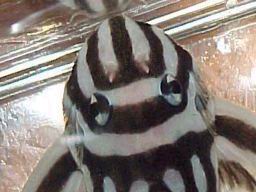
Figure 2: Head close-up comparison
- Male: Wider head, prominent cheek structure
- Female: Narrower, more streamlined head
- Odontodes visible on male cheeks below eyes
Pectoral Fin Analysis
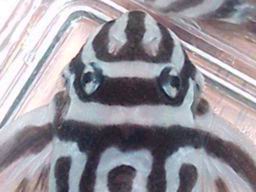
Figure 3: Pectoral fin comparison
- Male: Straight pectoral fins
- Female: Distinctly curved pectoral fins
- Male: Extensive odontode growth on spines
- Female: Minimal spine ornamentation
Odontode Development
Odontodes (bony skin projections) are the most reliable indicator of sex in mature Zebra Plecos. These tooth-like structures develop differently between males and females.
Odontode Comparison

Figure 4: Odontode growth differences
- Cheek Odontodes: Much larger and more numerous on males
- Pectoral Spine Odontodes: More dominant and extensive on males
- Immature Males: May not show full odontode development
- Females: Minimal odontode growth throughout life
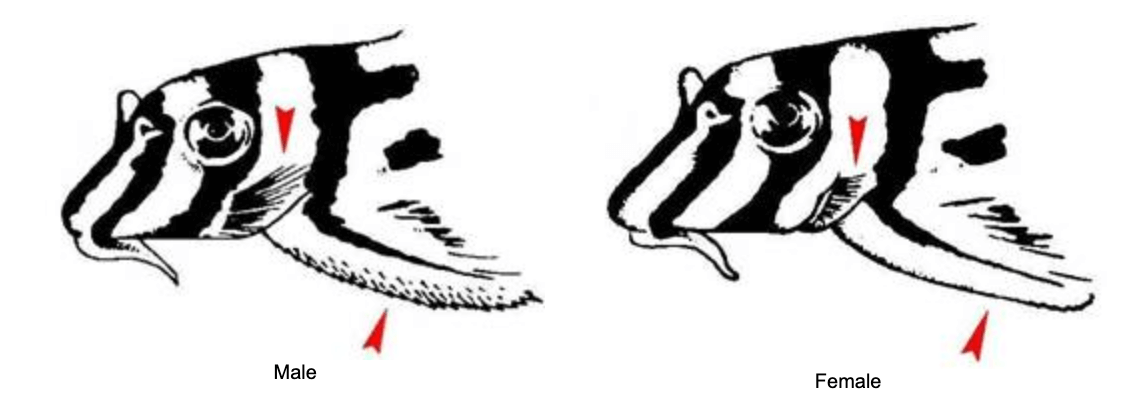
The insert pictures from www.planetcatfish.com show that odontode growth on the pectoral spine is more dominant on the male than the female. However, it's important to note that immature males will not have as much odontode growth as fully mature specimens.